Wahbah Zuhaily on Riqāb: Reshaping its Implementation in South Sulawesi
DOI:
https://doi.org/10.21111/tsaqafah.v20i2.94Keywords:
Wahbah Zuhaily, Zakat, RiqābAbstract
This article examines the contemporary interpretation of riqāb (emancipation of slaves) as a category for zakat recipients, as articulated by Wahbah al-Zuḥaylī, a prominent Islamic jurist. While slavery is no longer a widespread institution, al-Zuḥaylī's reinterpretation of riqāb holds significant implications for addressing modern social issues, particularly those related to poverty and marginalization in South Sulawesi. The study explores potential avenues for zakat distribution to support initiatives that align with the essence of riqāb, such as education, skill development, and debt relief. By applying al-Zuḥaylī's perspective, this research contributes to a broader understanding of zakat's role in social upliftment in the region. This research adopts a qualitative approach, relying primarily on textual analysis and interpretation of al-Zuḥaylī's jurisprudence regarding zakat and riqāb. Secondary sources, including academic articles, reports, and policy documents, are also employed to contextualize the findings within the socioeconomic landscape of South Sulawesi. Reinterpreting the Islamic concept of riqāb in the modern context offers profound implications for both Islamic thought and contemporary society, facilitating a more inclusive and dynamic understanding of zakat’s potential to address pressing social challenges.
References
Abdalloh, I. (2019). Pasar Modal Syariah. PT. Elex Media Komputindo.
Albinsaid, G. (2020). Perjalanan awal pandemi Covid-19. kumparan.com.
Al Arif, M. N. R. (2017). Lembaga Keuangan Syariah. CV. Pustaka Setia.
Al-Asfahani, A. R. (2009). Mufradāt alfāẓ al-Qur'ān (S. I. Dawari, Ed.). al-Dar al-Shamiyah.
Awwal, M. A. F. (2021). The Corona pandemic on sharia capital market in Indonesia. IQTISHODUNA: Jurnal Ekonomi Islam, 10(2). https://doi.org/10.36835/iqtishoduna.v10i2
Azhar, Z., Mydin, M. K. K., & Pitchay, A. A. (2023). Zakat distribution priorities in Malaysia: An analytic hierarchy process analysis. Asian Journal of Business and Accounting, 16(1), 69–87. https://doi.org/10.22452/ajba.vol16no1.3
BAZNAS Center of Strategic Studies. (2024, April 29). Perluasan makna asnaf riqāb bagi masalah sosial. https://puskasbaznas.com/publications/published/policybrief/1877-perluasan-makna-asnaf-riqab-bagi-masalah-sosial
Bhari, A., Khalid, M. M., Rani, M. A. M., Yaakob, M. A. Z., Yusof, M. F. M., Abdullah, M. Y., Anuar, A., Adenan, F., & Arif, M. I. A. M. (2023). An overview of muallaf related fatwa in Selangor. Al-Qanatir: International Journal of Islamic Studies, 30(2), 267–274.
Data Service Division. (2020). IDX monthly statistics March. IDX Monthly Statistics, 29(3).
Fajar, T. (2020). Bursa saham dunia mengalami situasi yang sama. economy.okezone.com.
al-Ghufaylī, 'A. A. ibn M. (2009). Nawāzil al-zakāh: Dirāsah fiqhiyyah ta'ṣīliyyah li-mustajiddāt al-zakāh. Dār al-Mīmān li-al-Nashr wa-al-Tawzī.
Harvey, R. (2019). Slavery, indenture, and freedom: Exegesis of the 'mukātaba verse' (Q. 24: 33) in early Islam. Journal of Qur'anic Studies, 21(2), 68–107.
Ibrahim, A. M. (2023). Islamic law-ethics and the struggle against slavery and human trafficking. In Human flourishing: The end of law (pp. 448–481). Brill Nijhoff.
Khairuldin, W. M. K. F., Firdaus, W. M. K., & Mohammad, M. (2013). The philosophy and elasticity of zakah distribution in Islam. International Journal of Education and Research, 1(8), 179–190.
Laibu, H. M. (2024, July 16). Implementasi pemikiran Wahbah al-Zuhaily tentang distribusi zakat untuk riqab [Recording].
Mālik ibn Anas. (2004). Muwattha' tahqiq Muhammad Musthafa al-A'dzami. Zayid bin Sulthan Foundation.
al-Māwardī, A. al-H. 'A. ibn M. (n.d.). Al-ḥāwī al-kabīr fī fiqh madhhab al-imām al-Shāfi'ī wa huwa sharḥ mukhtaṣar al-Muzanī ('A. M. Mu'waḍ & 'Ā. A. 'Abd al-Mawjūd, Eds.). Dār al-Kutub al-'Ilmiyyah.
McPoland, B. (2023). 3 reasons to invest in the FTSE 100 in 2023. fool.co.uk.
Nor, A. M., Hamid, Z. A., & Ramli, L. E. (2024). Human trafficking from the Islamic perspective. International Journal of Religion, 5(7), 501–514.
Nordin, N. A., & Khairuldin, W. M. K. (2018). A distribution of zakah to al-riqāb: Critical analysis of fatwa and views of mufassir. International Journal of Academic Research in Business and Social Sciences, 8(11).
Pambudi, S. S., & Adi, S. W. (2022). Analysis of the Indonesia capital market reaction to the announcement implementation of Emergency Community Activity Restriction (PPKM) (Event study on companies listed in the LQ45 index for January–July 2021 period). Proceeding Book of the 4th International Conference on Business and Banking Innovations (ICOBBI) 2022, January 29, 2022.
Puji, A. (2022). Coronavirus. hallosehat.com.
al-Qaḥṭānī, S. ibn 'A. ibn W. (2010). Al-zakāh fī al-islām fī ḍaw' al-kitāb wa al-sunnah: Mafhūm, wa manzilah, wa ḥikam, wa fawā'id, wa aḥkām, wa shurūṭ, wa masā'il. Markaz al-Da'wah wa al-Irshād bi-al-Qaṣab.
al-Qaraḍāwī, Y. (1973). Fiqh al-zakāt: Dirāsah muqāranah li-aḥkāmi-hā wa-falsafati-hā fī ḍaw' al-Qur'ān wa-al-Sunnah. Mu'assasat al-Risālah.
Refliandi, I., & Fatimah. (2023). Giving the right to former prisoners to be leaders in the study of the philosophy of Islamic law. Hakamain: Journal of Sharia and Law Studies, 2(2), 196–206.
Rida, M. R., & 'Abduh, M. (1947). Tafsīr al-Qur'ān al-ḥakīm al-shahīr bi-tafsīr al-manār (Vols. 1, 2, 10). Dar al Manar.
Saad, R. A. J., Ahmi, A., Sawandi, N., & Abdul Aziz, N. M. (2023). Zakat administration reformation towards an effective and efficient zakat revenue generation. Journal of Islamic Accounting and Business Research, 14(8), 1232–1260.
Stabler, Z. (2023). FTSE 100 vs Dow Jones: Key differences and performance data. finder.com. https://www.finder.com/uk
Stabler, Z., & Hurst, S. (2022). Nasdaq vs Dow Jones. finder.com.
Sugianto, D. (2020). Kondisi genting pasar modal saat pandemi, lebih gawat dari krisis 2008. finance.detik.com.
Susanto, B. (2008). Pasar Modal Syariah (Tinjauan Hukum). UII Press.
Sutedi, A. (2014). Pasar Modal Syariah: Sarana investasi keuangan berdasarkan prinsip syariah. Sinar Grafika.
Umam, K. (2013). Pasar Modal Syariah & praktik Pasar Modal Syariah. Pustaka Setia.
Werden, G., & Jolly, J. (2020). Wall Street and FTSE 100 plunge on worst day since 1987 – as it happened. theguardian.com.
Yasmin, P. (2020). Asal usul virus Corona berasal, dari mana sebenarnya? news.detik.com. https://news.detik.com
Zainuddin, Z. (2018). Pemaknaan ulang ar riqab dalam upaya optimalisasi fungsi zakat bagi kesejahteraan umat. Jurnal Hukum IUS QUIA IUSTUM, 25(3), 601–622. https://doi.org/10.20885/iustum.vol25.iss3.art9
Zainuddin, Z. (2023). Distribution of zakat for correctional inmates as aznaf riqāb at BAZNAS of Barru district. Diponegoro Law Review, 8(1), 1–13.
Zainuddin, Z., & Sahban, S. (2021). Reinterpretasi riqab sebagai korban eksploitasi seksual dalam hukum zakat. Masalah-Masalah Hukum, 50(1), 17–23. https://doi.org/10.14710/mmh.50.1.2021.17-23
al-Zuhaylī, W. A. (1986). Al-fiqh al-islāmī wa adillatuhu (Vol. 3). Daar al-Fikr.
al-Zuhaylī, W. (2008). Zakat: Kajian berbagai mazhab (A. Efendi & B. Fannany, Trans.). PT Remaja Rosdakarya.
Downloads
Submitted
Published
How to Cite
Issue
Section
License
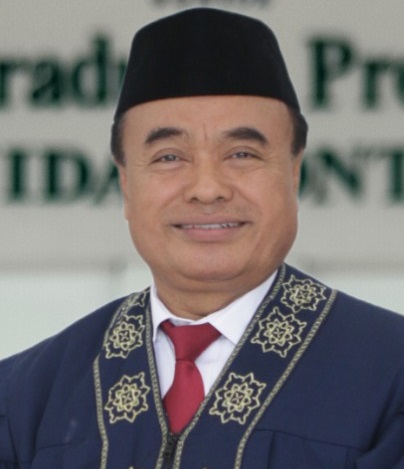
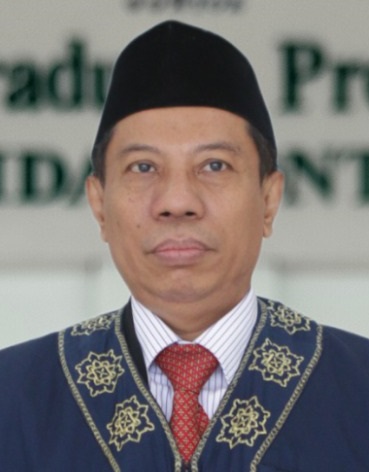
Copyright (c) 2024 Hukmiah Husain, Ma`adul Yaqien Makkarateng, Muh. Arafah, Hamsah Hasan

This work is licensed under a Creative Commons Attribution-NonCommercial-ShareAlike 4.0 International License.
All articles in this proceeding are open access, the articles published in them are immediately and permanently free to read, download, copy and distribute. Each volume is published under the CC-BY-NC-SA 4.0 user license.